Are Electric Toothbrushes Really Better? The Science Behind the Buzz
Walk into any store’s dental care aisle, and you’ll see it: rows of sleek, buzzing electric toothbrushes promising whiter teeth, healthier gums, and a better smile. But here’s the question — are electric toothbrushes really better than manual ones, or is it all just clever marketing?
Let’s dive into the science, the hype, and the honest truth behind that buzz.
The Basics: What Sets Electric Apart?
At first glance, the difference seems simple: one you move with your hand, and the other moves for you. But there’s more going on under the bristles.
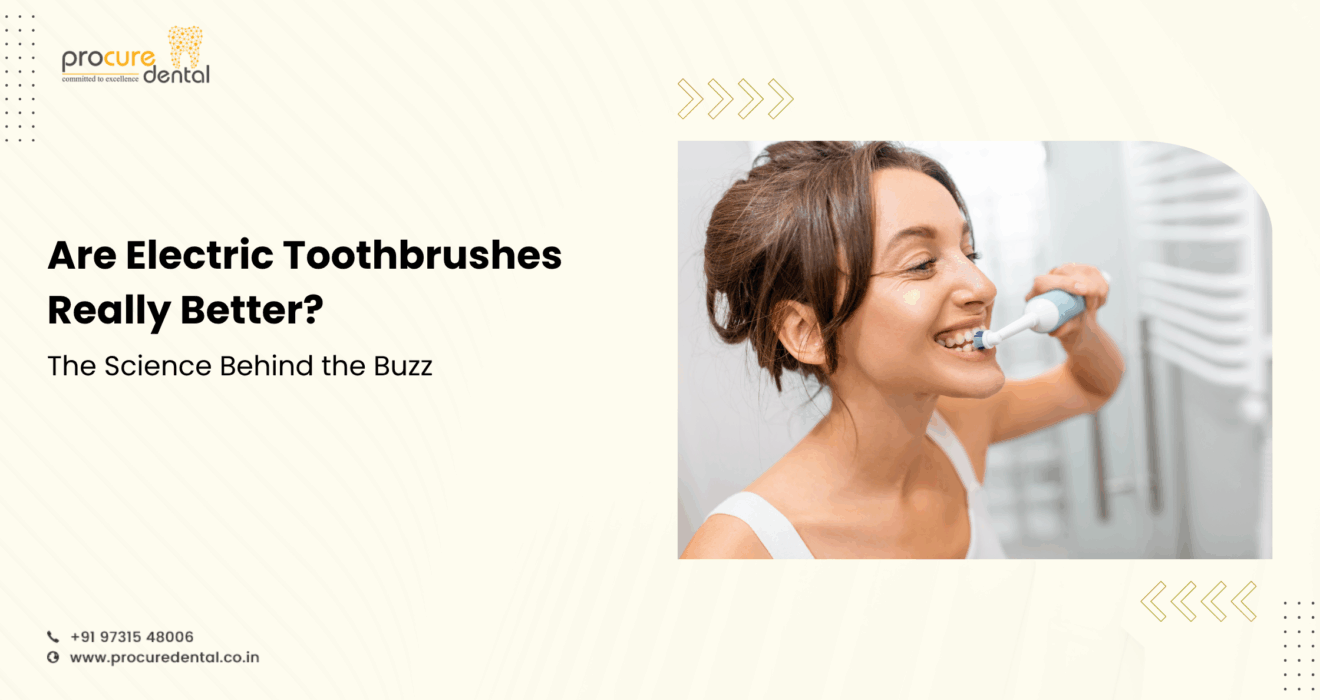
Electric toothbrushes are designed to vibrate or rotate (or both), offering thousands of movements per minute — something your wrist just can’t compete with. This motion helps break up plaque more efficiently and provides a more consistent clean, especially in hard-to-reach areas.
Many modern models also include built-in timers, pressure sensors, and smart tracking, taking the guesswork out of brushing.
What the Research Says
Here’s where it gets interesting. Several clinical studies over the past two decades have compared manual and electric toothbrushes — and the results speak volumes:
- A major review by the Cochrane Oral Health Group found that electric toothbrushes reduced plaque by 21% more and reduced gum inflammation by 11% more than manual ones after just three months.
- Oscillating-rotating models (the kind that spin in both directions) consistently outperform others in plaque removal.
- Users with limited dexterity — such as kids, seniors, or those with arthritis — tend to benefit even more from powered brushing.
In short: the science backs the buzz.
It’s Not Just About Clean Teeth
Beyond plaque, electric toothbrushes also help in ways you might not expect:
- Better brushing habits: Many people don’t brush for the full two minutes or use too much pressure. Most electric brushes solve this with built-in timers and feedback alerts.
- Improved gum care: Gentler, more consistent brushing can reduce gingivitis and prevent gum recession.
- Less guesswork for parents: Some kid-friendly models include fun apps that turn brushing into a game — making it easier to build lifelong habits.
But Is It Worth the Price?
Electric toothbrushes are undoubtedly more expensive than manual ones, with high-end models ranging from ₹2,000 to ₹10,000 or more. But if they help prevent cavities, gum issues, or dental cleanings — they may pay for themselves in the long run.
That said, a manual brush can still do a great job — if used correctly. Technique, duration, and consistency are just as important. If you brush twice a day for two minutes with a soft-bristled manual brush and proper form, you’re still in excellent shape.
So… Should You Make the Switch?
Here’s a simple way to decide:
- ✅ Do you struggle with plaque buildup or gum issues?
- ✅ Do you often brush too hard or too quickly?
- ✅ Do you want to improve your brushing habits or make things easier for your kids?
If you answered yes to any of the above, an electric toothbrush could be a smart investment — and your dentist will probably agree.
Final Thoughts
Electric toothbrushes aren’t magic — but they are smarter tools that help make brushing more effective, more consistent, and a little more fun.
Think of them not as a replacement for good habits, but as a partner in better oral health. And whether you go electric or stick with manual, what matters most is this: brush twice a day, floss daily, and don’t skip those dental checkups.
Because in the end, it’s not the brush that keeps your smile healthy — it’s how you use it.