Teeth Whitening Myths: What Works and What to Avoid
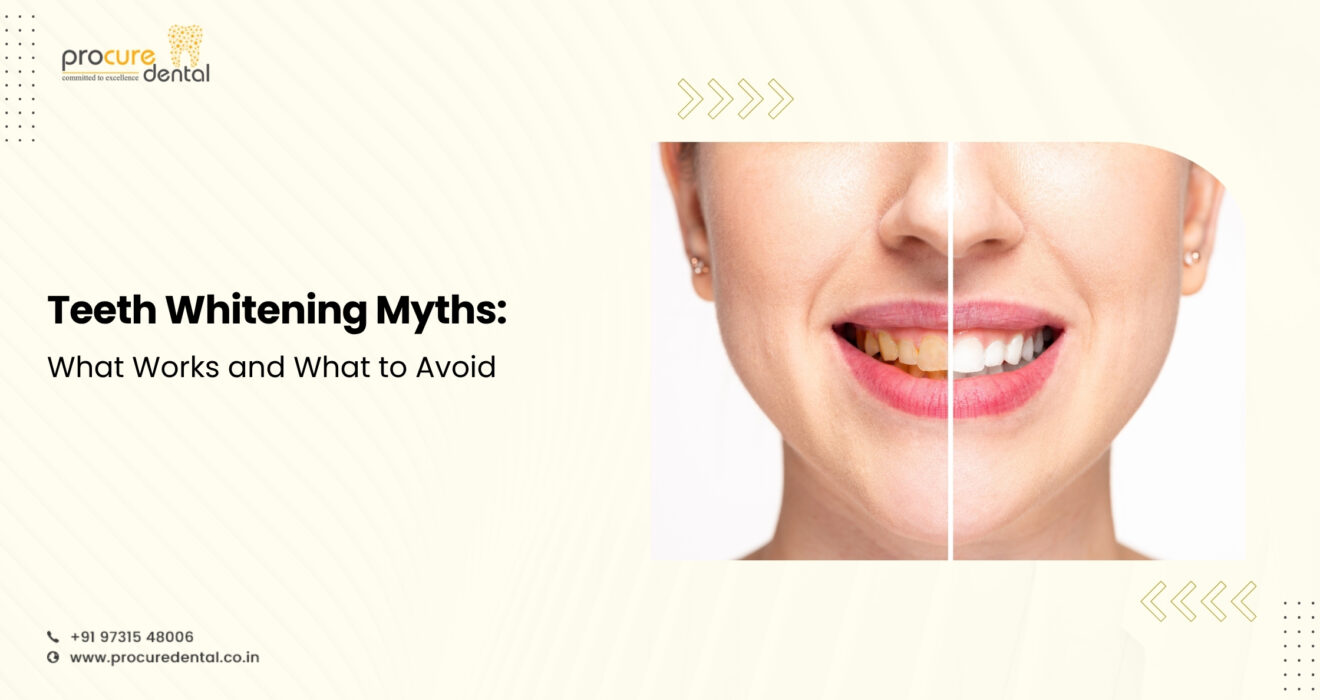
In a world obsessed with picture-perfect smiles, it’s no surprise that teeth whitening has become one of the most popular cosmetic treatments out there. Walk down any drugstore aisle or scroll through social media, and you’ll find countless products and DIY “hacks” promising a dazzling white smile. But not everything you hear (or read online) about teeth whitening is true. Some common whitening myths can do more harm than good. Let’s break down what works, what doesn’t, and what you should avoid when it comes to brightening your smile.
🦷 Myth #1: Baking Soda and Lemon Juice = Instant White Teeth
The truth: This is a classic DIY combo that’s been floating around for years—but it’s not as safe as it sounds. While baking soda is mildly abrasive and can help remove surface stains, lemon juice is extremely acidic. When combined, they can erode your enamel—the protective layer of your teeth—making them weaker and more sensitive. The short-term whitening isn’t worth the long-term damage.
✅ Better option: Use a toothpaste with baking soda that’s been professionally formulated and approved by dentists. It’s much safer and far less abrasive.
🦷 Myth #2: Whitening Toothpaste Whitens All Teeth Equally
The truth: Whitening toothpaste can help remove surface stains caused by coffee, tea, or smoking, but it doesn’t change the natural colour of your teeth. And it won’t do much for deeper, intrinsic stains (the kind caused by medication, trauma, or ageing).
✅ Better option: If your teeth have deep discolouration, professional whitening treatments are your best bet. A dentist can tailor the treatment to your needs and help you avoid sensitivity or damage.
🦷 Myth #3: Activated Charcoal Is a Safe, Natural Whitener
The truth: Activated charcoal may be trendy, but it’s not a miracle solution. It’s highly abrasive and can wear down your enamel with repeated use. Plus, there’s limited scientific evidence that it’s effective for whitening.
✅ Better option: Talk to your dentist before using any charcoal product. If you want a natural approach, try oil pulling or whitening strips that are dentist-approved.
🦷 Myth #4: If It Hurts, It Must Be Working
The truth: Pain or sensitivity is not a sign that whitening is working—it’s a sign that something might be wrong. Some people experience sensitivity with certain whitening products, especially if they overuse them or leave them on for too long.
✅ Better option: Follow product instructions closely. If you notice pain or prolonged sensitivity, stop using the product and consult a dentist. Don’t push through discomfort—it could lead to lasting damage.
🦷 Myth #5: You Can Whiten Crowns, Veneers, or Fillings
The truth: Whitening products don’t work on dental restorations like crowns, veneers, or composite fillings. Only your natural teeth will lighten, which can lead to uneven colouring.
✅ Better option: If you’re considering whitening, talk to your dentist first, especially if you have any dental work. They can help you plan the best approach to get a consistent, natural-looking smile.
🦷 Myth #6: Professional Whitening Is Too Expensive to Be Worth It
The truth: While it’s true that professional whitening costs more upfront than over-the-counter products, it’s often more effective, safer, and longer-lasting. In many cases, the results are visible after just one session, and there’s less risk of enamel damage or uneven whitening.
✅ Better option: If cost is a concern, ask your dentist about take-home kits or payment plans. You might be surprised at how accessible professional options have become.
Final Thoughts
Whitening your teeth can boost your confidence and brighten your smile—but only if you do it the right way. Don’t fall for every TikTok trick or internet hack. When in doubt, ask your dentist. They’ll help you choose a method that’s safe, effective, and right for your teeth.
Because a beautiful smile isn’t just about being white—it’s about being healthy, too.