
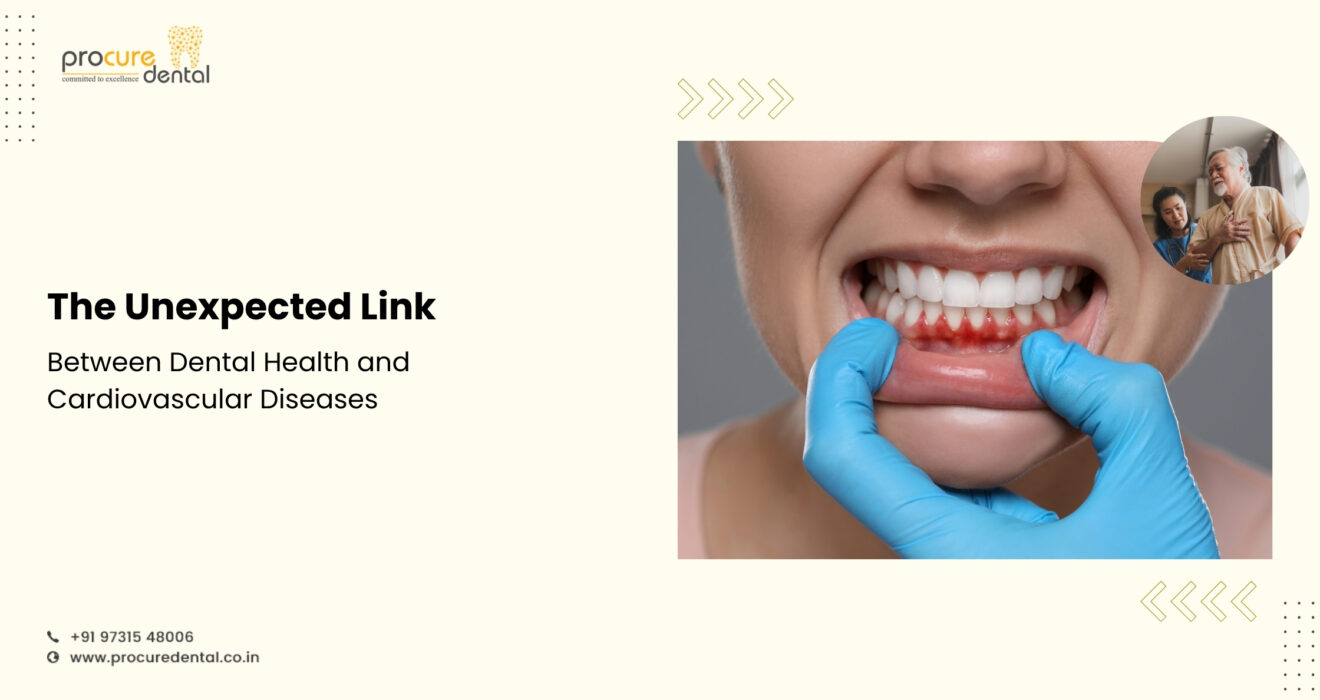
The Unexpected Link Between Dental Health and Cardiovascular Diseases
The Mouth-Heart Connection: More Than Just a Theory several theories explain how your mouth could affect your heart.We often think of brushing and flossing as daily routines for a healthy smile, but what if your dental habits could also protect your heart? Recent research is shedding light on a surprising connection between dental health and cardiovascular diseases. It turns out your mouth may be saying more about your overall health than you realise.
Let’s explore how the condition of your teeth and gums could be influencing the health of your heart, and why taking care of your oral hygiene is more important than ever.
The link between dental health and heart disease isn’t just a coincidence. Studies have shown that people with gum disease (periodontitis) are more likely to suffer from heart problems like clogged arteries, heart attacks, and strokes. While scientists are still investigating the exact cause,
1. Inflammation: The Common Culprit
Gum disease is a chronic inflammatory condition. When your gums are infected and inflamed, bacteria can enter your bloodstream through tiny cuts in your mouth. This can trigger inflammation elsewhere in your body, including in your blood vessels.
Inflammation in the arteries can lead to a buildup of plaque (not the kind on your teeth, but fatty deposits in your blood vessels), which narrows the arteries and increases the risk of a heart attack or stroke. In short, inflammation that starts in your mouth may travel much farther than you’d expect.
2. Bacteria on the Move
Some oral bacteria have been found in the arteries of people with heart disease. This suggests that harmful bacteria from the mouth might directly contribute to the formation of artery-blocking plaques. Once in the bloodstream, these bacteria can stick to blood vessel walls, causing damage and making it easier for plaque to build up.
3. Poor Oral Health and Other Risk Factors
People with poor oral hygiene often have other risk factors for heart disease, such as smoking, diabetes, obesity, or a poor diet. While this doesn’t mean one causes the other, it highlights how dental health is closely tied to overall health and lifestyle. Ignoring oral care may be a sign—or a contributor—to broader health neglect.
Warning Signs to Watch
Gum disease doesn’t always hurt, which means many people ignore it until it’s advanced. Here are a few symptoms that shouldn’t be ignored:
- Red, swollen, or bleeding gums
- Bad breath that won’t go away
- Receding gums or loose teeth
- Pain when chewing
If you notice any of these signs, it’s time to see a dentist—your heart might thank you later.
What You Can Do: Protect Your Smile, Protect Your Heart
The good news? Preventing gum disease is totally doable, and it might be a step toward protecting your heart health, too. Here’s how:
- Brush twice a day with fluoride toothpaste.
- Floss daily to remove plaque between teeth
- Visit your dentist regularly for cleanings and checkups.
- Eat a heart-healthy diet (low in sugar and high in fibre)
- Quit smoking, which harms both your teeth and your heart.
- Manage chronic conditions like diabetes, which can worsen gum disease.
Final Thoughts
The mouth is often called the “gateway to the body”,—and when it comes to your heart, that couldn’t be more true. While more research is still being done, the link between dental health and cardiovascular disease is becoming clearer with each study.
So the next time you’re debating whether or not to floss, remember: you’re not just protecting your teeth—you could be protecting your heart too.