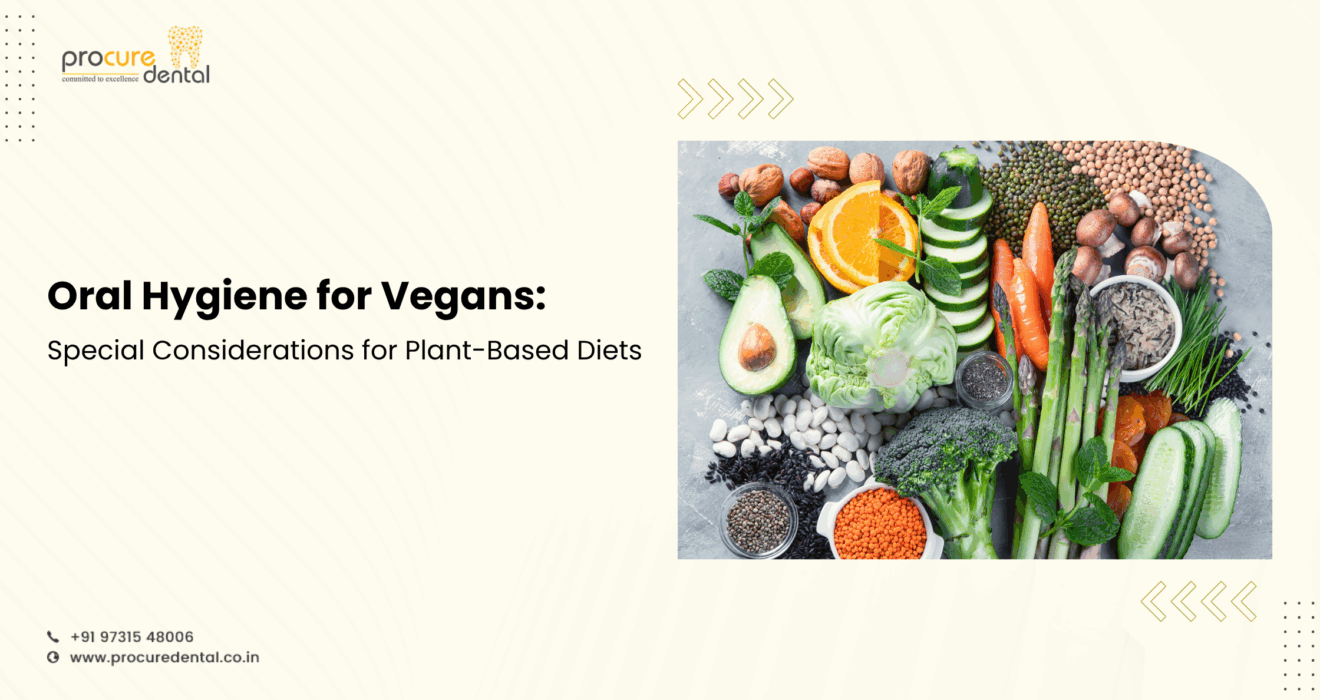
Oral Hygiene for Vegans: Special Considerations for Plant-Based Diets
Adopting a plant-based lifestyle is a powerful choice — not just for personal health, but for the environment and animal welfare. But while a vegan diet can be rich in nutrients and antioxidants, it also comes with a few unique oral health considerations.
Yes, even the most nutrient-packed smoothie bowl or kale salad can impact your teeth and gums in ways that might surprise you.
So if you’re vegan — or considering the switch — here’s what you should know about keeping your smile just as strong as your convictions.
What Makes Vegan Oral Care Different?
On the surface, oral hygiene for vegans isn’t drastically different from anyone else’s: brushing, flossing, and regular dental checkups are all essential.
But dig a little deeper, and you’ll see that certain nutrient gaps, higher acid exposure, and even the types of snacks common in plant-based diets can affect the oral microbiome and enamel health.
Let’s unpack it all — without fear or guilt, just honest insight.
1. Vitamin B12: A Big Deal for Gums
B12 is one of the few vitamins not naturally found in plant-based foods. It plays a key role in cell repair, nerve health, and — yes — gum health.
Deficiency in B12 has been linked to:
- Swollen, bleeding gums
- Tongue inflammation
- Mouth ulcers or burning sensations
- Increased risk of periodontal (gum) disease
What to do:
If you’re vegan, make sure you’re getting B12 from fortified foods or a high-quality supplement. Regular blood checks can help track your levels too.
2. Calcium and Vitamin D: The Bone and Tooth Protectors
While dairy is a go-to source of calcium for many, vegans turn to options like fortified plant milks, tofu, leafy greens, sesame seeds, and almonds. That’s great — but calcium absorption can still be tricky.
Why it matters:
Calcium and vitamin D are both critical for strong teeth and jawbone density. Without enough, teeth can weaken over time.
What to do:
Incorporate calcium-rich vegan foods daily, and ensure you get enough vitamin D — either from sunlight, fortified foods, or supplements. Some vegans opt for a vegan D3 supplement (made from lichen instead of animal-based sources).
3. Acidic Foods and Fruit Sugars: Friend or Foe?
Many plant-based staples — citrus fruits, tomatoes, smoothies, dried fruits — are acidic or high in natural sugars. While healthy in moderation, frequent exposure can soften enamel and feed harmful bacteria.
You might not notice the impact at first, but over time this can lead to:
- Enamel erosion
- Tooth sensitivity
- Increased cavity risk
Smart habits to help:
- Drink plenty of water during and after meals
- Use a straw when sipping acidic drinks or smoothies
- Wait 30 minutes after acidic meals before brushing (to avoid damaging softened enamel)
- Brush with a fluoride toothpaste — yes, even natural vegans can benefit from fluoride!
4. The Oral Microbiome and Fiber-Rich Diets
On the plus side, a plant-based diet often includes lots of fiber, which helps stimulate saliva and scrub away debris naturally. Many whole foods also promote a healthy oral microbiome, reducing harmful bacteria.
In fact, vegans tend to have lower rates of inflammation — including in the gums — thanks to diets rich in antioxidants and phytonutrients.
Just be mindful of ultra-processed vegan snacks and sugary substitutes. A “plant-based” label doesn’t always mean “tooth-friendly.”
5. Watch the Hidden Sugar in Vegan Treats
Many vegan desserts, energy bars, and dairy-free yogurts rely on dates, agave, maple syrup, or coconut sugar — all natural, but still sugars in the eyes of your teeth.
Frequent snacking or sipping on sweetened plant milks throughout the day gives oral bacteria more time to produce acid, increasing the risk of decay.
Pro tip:
- Rinse your mouth with water after snacking
- Try to group snacks into fewer sittings rather than grazing all day
- Don’t skip brushing before bed — nighttime is when teeth are most vulnerable
Vegan-Friendly Oral Care Products
If you’re truly living a vegan lifestyle, you may also be looking for cruelty-free and animal-free oral care products. Many mainstream brands use animal-derived glycerin or test on animals.
What to look for:
- Vegan-certified toothpaste and mouthwash (many are now labeled)
- Bamboo toothbrushes with plant-based bristles
- Floss coated with natural wax instead of beeswax
Thankfully, the market for vegan oral care is growing rapidly — from natural fluoride pastes to fully biodegradable toothbrushes.
Final Thoughts: A Smile That Matches Your Values
Being vegan is about intentional living — and that includes how you care for your health. With just a few thoughtful adjustments, it’s entirely possible to maintain a strong, radiant smile on a plant-based diet.
Remember: your oral health is part of your whole-body wellness. Whether you’ve been vegan for years or are just starting the journey, staying informed is the key to thriving — and that includes protecting your teeth, gums, and the ecosystem inside your mouth.